
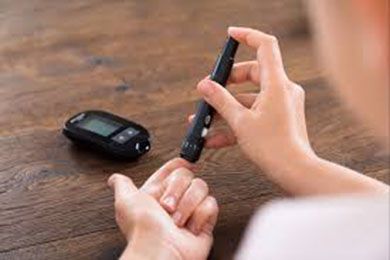
Dùng cồn và bông lau sạch đầu ngón tay.
Dùng kim chích máu hoặc bút thử máu chuyên dụng cho người tiểu đường, chích vào phía bên đầu ngón tay.


Hướng dẫn
Tự lấy mẫu xét nghiệm
Nên đến Trung tâm CGAT để chúng tôi lấy mẫu là chuẩn nhất, nếu muốn tự lấy tại nhà, chỉ cần một trong những mẫu sau đây cho mỗi người (KHÔNG YÊU CẦU NHỮNG NGƯỜI ĐƯỢC XÉT NGHIỆM PHẢI CÙNG 1 LOẠI MẪU)
Xem thêm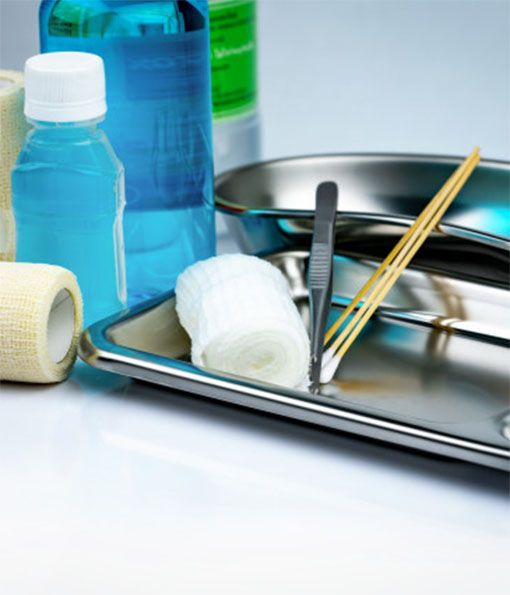
Bạn muốn tự lấy mẫu xét nghiệm tại nhà
* Mẫu Nước ối xin tư vấn qua điện thoại: 0907 737 678 và 024 3728 2496.
1. Mẫu máu khô
Trung tâm cung cấp miễn phí bộ dụng cụ lấy mẫu máu khô chuyên
dụng (có kèm hướng dẫn cụ thể)
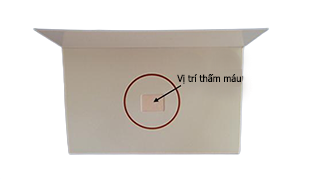
Viết tên người được lấy mẫu vào bìa ngoài Phiến mẫu.
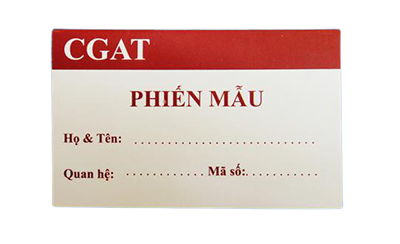
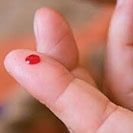
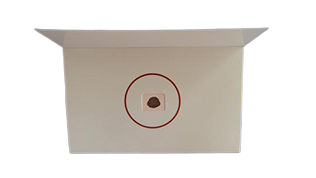
Thấm khoảng ¼ giọt máu vào phần hình chữ nhật màu hồng (nằm giữa vòng tròn). Sau đó để khô tự nhiên ở nhiệt độ phòng khoảng 3-5 phút.
Cho vào 1 túi giấy sạch, mới (phong bì nhỏ), không cho vào túi nilon.
Ghi tên người được lấy mẫu ngoài phong bì, dán kín.
Mẫu này có thể để nhiều ngày ở nhiệt độ bình thường, không cần bảo quản.
2. Mẫu máu tươi
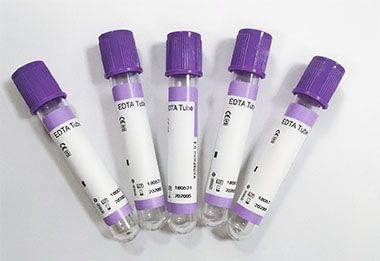
Lấy 1 ml máu tươi cho vào ống có chất chống đông (có chữ EDTA in bên ngoài ống). Sau đó lắc đều và giữ ở nhiệt độ 4 - 10 độ C trước khi gửi đi.
3. Mẫu gốc tóc, gốc râu
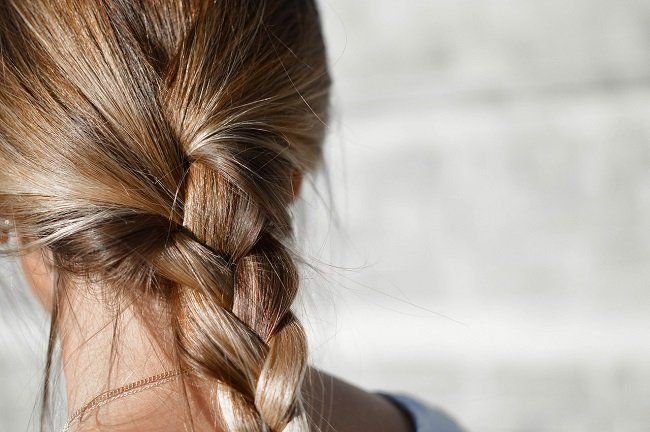
Nhổ 3 sợi tóc hoặc râu có gốc, nhổ không bị đứt là có gốc.
Trường hợp xét nghiệm ty thể cần 5 đến 7 sợi.
Không chạm tay vào gốc.
Đặt các sợi tóc lên mẩu giấy sạch và gói lại, đề tên bên ngoài.
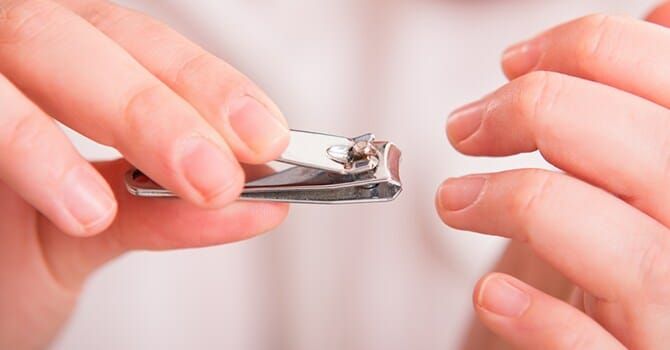
4. Móng tay, móng chân
5. Mẫu cuống rốn
Đưa cuống rốn khô, sạch, đã rụng cho vào phong bì nhỏ, sạch, đã đề tên. Nếu cuống rốn chưa khô, cần sấy cho thật khô. Mẫu cuống rốn khô để trên gác bếp nhiều năm vẫn có thể dùng để xét nghiệm tốt.
6. Mẫu nước ối
Mẫu nước ối dùng để xét nghiệm huyết thống, trong nước ối sạch có chứa các tế bào của thai nhi. Khách yêu cầu xét nghiệm cần đưa đến Trung tâm 3 – 4 ml nước ối sạch của thai nhi từ 3 tháng trở lên.
Sau khi có mẫu nước ối cần mang đi ngay. Trong mùa hè nóng bức, cần để mẫu trong nước đá khi vận chuyển. Nếu ở xa xin tư vấn với Trung tâm.